




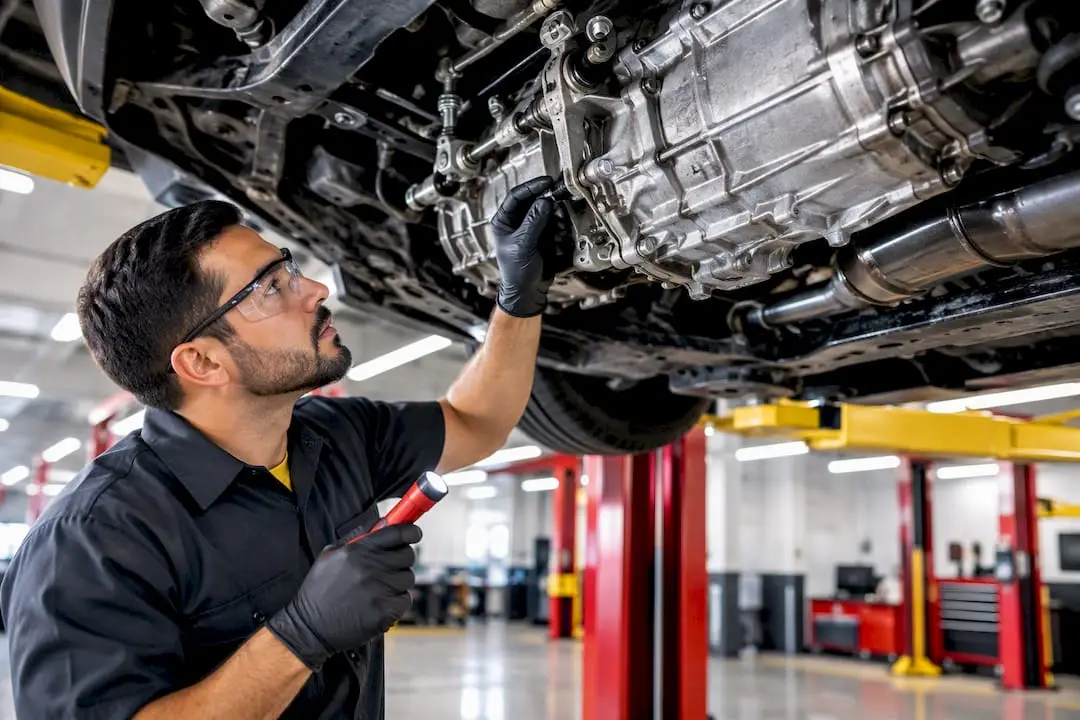
If your automatic transmission is shifting hard, the most likely culprits are low or dirty transmission fluid, a failing torque converter, a bad shift solenoid or valve body, or worn engine and transmission mounts. Check the fluid level and condition first. If you notice severe slipping, a burning smell, heavy leaking, or a loss of power, stop driving and arrange a tow. Most cases need a professional diagnosis to pinpoint the exact cause.
TL;DR:
- Low or dirty transmission fluid is the most common cause of harsh shifting, especially if the fluid appears dark or smells burnt.
- Problems with the torque converter, shift solenoid, or valve body can also cause erratic shifting or noticeable kicks between gears.
- If symptoms are severe, like slipping or a burning smell, stopping and getting a professional inspection or towing is essential for safety.
- Diagnosing the issue involves checking fluid condition, scanning for error codes, and noting pattern details like temperature or mileage triggers.
- Repair costs vary from fluid changes to full transmission rebuilds, with proper diagnosis before part replacement avoiding unnecessary expenses.
Table of Contents
- What Does Hard Shifting Feel Like, and What Should You Track?
- What Causes an Automatic Transmission to Shift Hard?
- How Do You Diagnose Hard Shifting Before Visiting a Shop?
- What Does It Cost to Fix a Hard-Shifting Transmission?
- When Is It Unsafe to Keep Driving?
- How Can You Prevent Hard Shifting From Coming Back?
- Our Take: Why Diagnosis Should Come Before Parts
- Get Your Transmission Checked at Kwik Kar of Van Alstyne
- Where to Learn More About Transmission Care
- Sources
- FAQ
What Does Hard Shifting Feel Like, and What Should You Track?
Hard shifting shows up differently from car to car, but a few patterns come up again and again. You might feel a harsh clunk between gears, a hesitation before the transmission engages, or a delay when you shift into Drive or Reverse. Some drivers describe it as a kick; others notice the RPMs climbing before the next gear finally grabs.
The details you notice matter more than the sensation itself. Does it happen only when the engine is cold, or does it show up once the car has been running for twenty minutes? Does it only happen after the car has sat overnight? Pinning down whether the problem occurs at a specific speed, in a specific gear, or under light versus heavy throttle gives a technician a real head start, since pattern details materially improve diagnosis.
Before you call anyone, gather evidence:
- Record a short video of the shift, including any sound.
- Photograph any fluid puddles or stains, noting the color.
- Write down the exact moment it happens: cold start, after highway speed, only in reverse, and so on.
Pro Tip: Note your odometer reading and the outside temperature each time the hard shift happens. A pattern tied to temperature or mileage often points straight to the cause.
What Causes an Automatic Transmission to Shift Hard?
Several distinct problems can produce the same rough feeling behind the wheel, which is exactly why guessing at repairs wastes money.
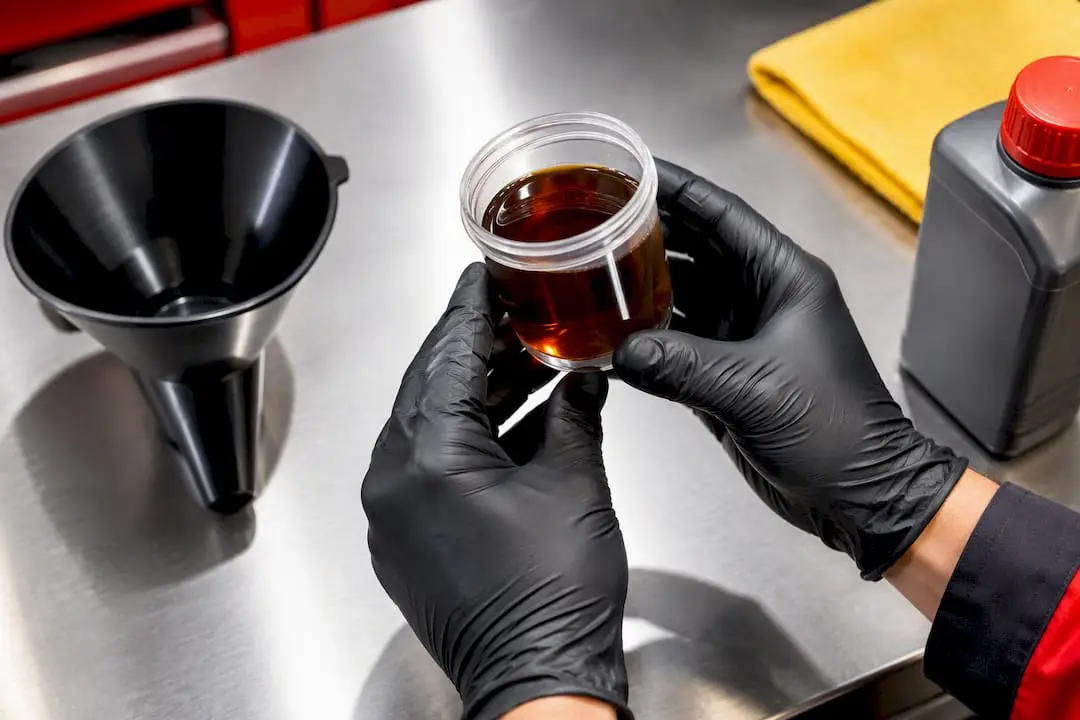
Low or contaminated transmission fluid is the most common cause. Transmission fluid does more than lubricate. It creates the hydraulic pressure that moves the internal clutches and bands, and low, dirty, or incorrect fluid can cause harsh shifting and lead to overheating and major damage if it’s left unresolved. Fluid that’s turned dark brown or smells burnt is a strong signal that hydraulic pressure and cooling are already compromised.
Torque converter problems often show up as shuddering at certain speeds or a harder-than-normal kick between first and second gear. A converter that isn’t locking or unlocking correctly disrupts the smooth handoff of power from the engine to the transmission.
Shift solenoid or valve body issues cause erratic, inconsistent engagement because these parts control the electro-hydraulic signals that time each shift. When a solenoid sticks or fails, the transmission may shift too early, too late, or with a hard bang.
Other contributors include:
- Worn engine or transmission mounts that let the drivetrain shift its position under load, amplifying every gear change.
- A clogged filter or internal debris that restricts fluid flow.
- General mechanical wear inside the clutches and bands after high mileage.
How Do You Diagnose Hard Shifting Before Visiting a Shop?
Start with safety. If the transmission is slipping severely, has lost the ability to move the car, or you smell something burning, this isn’t a diagnostic project. Stop driving and arrange professional inspection or towing instead.
Once you know the car is safe to move short distances, work through these steps in order:
- Check the fluid level and condition. Look for the dipstick if your vehicle has one, note the color and smell, and photograph any leaks underneath. Some newer vehicles use sealed transmissions with no dipstick, which require a shop’s service port and the manufacturer’s fill procedure rather than a home top-off.
- Get an OBD2 scan. A code can point toward a solenoid or sensor fault, but many transmission problems don’t trigger a code at all, so a clean scan doesn’t rule anything out.
- Log the pattern. Note the RPM range, throttle position, and whether the issue only happens cold, warm, or after the car has been sitting.
- Check mounts and listen for noise. A whining or grinding sound alongside the hard shift often signals something beyond fluid.
- Call in a professional once DIY checks are inconclusive, especially if fluid looks fine but the shift is still harsh.
One detail worth remembering: a fluid top-off that temporarily smooths things out doesn’t mean the underlying issue is fixed. It usually just buys you a little time before the same symptom returns.
What Does It Cost to Fix a Hard-Shifting Transmission?
Repair costs vary widely because “hard shifting” covers a range of problems, from a simple fluid service to a full transmission rebuild.
- Fluid service: A drain-and-fill replaces only part of the fluid, while a full exchange or filter replacement addresses more contamination. The right choice depends on the transmission’s design and how dirty the fluid actually is, not just which service happens to be cheapest.
- Solenoid or valve body repair: These parts sit inside the transmission housing, so diagnostic time and labor to access them add to the bill, on top of the part itself.
- Torque converter replacement: This is a bigger job than a solenoid swap and becomes necessary once shuddering or slipping points clearly to converter failure rather than fluid or electronics.
- Full rebuild or replacement: This is the most expensive path and typically only comes up when internal wear or contamination has gone on long enough to damage multiple components.
Because pricing depends heavily on your specific vehicle and what the technician finds during inspection, AAA’s repair estimate resources are a useful starting point for ballpark ranges, but a real number only comes from a shop that has actually looked at your car.
When Is It Unsafe to Keep Driving?
Some symptoms cross the line from annoying to dangerous. Pull over safely and arrange a tow rather than continuing to drive if you notice any of the following:
- A heavy fluid leak or a puddle that keeps reappearing.
- A burning smell coming from under the car.
- Sudden loss of propulsion or the transmission refusing to engage Drive or Reverse.
- Severe slipping, where the engine revs but the car doesn’t respond.
- New grinding or whining noises paired with rough shifting.
- A dashboard warning light showing up alongside any of the behaviors above.
AAA’s guidance is clear on this point: catching these signs early and getting the car inspected promptly prevents a manageable repair from turning into a much larger one.
How Can You Prevent Hard Shifting From Coming Back?
Following your manufacturer’s fluid type and change interval is the single best habit for avoiding transmission trouble. Independent guidance commonly points to changing fluid and filter every 24,000 to 36,000 miles for many automatics, though your owner’s manual has the final word for your specific vehicle.
A few other habits go a long way:
- Avoid heavy towing or hauling without adequate cooling for the transmission.
- Have mounts and seals checked periodically, especially past 60,000 miles.
- Never guess at fluid type. Using the wrong fluid or topping off a sealed system incorrectly can introduce contamination that causes the exact hard-shifting symptoms you’re trying to avoid.
Drivers who tow trailers or boats to nearby lakes should pay particular attention to heat buildup, since extended towing puts extra strain on the transmission that regular commuting never sees.
Our Take: Why Diagnosis Should Come Before Parts
Plenty of hard-shifting complaints turn out to be a fluid service or a single sensor, not a transmission on its last leg. Guessing at parts before understanding the actual pattern behind the wheel wastes money and time. Our technicians rely on digital vehicle inspections with photos so you see exactly what is found, not just what is told to you. Bring your notes, video, and mileage, and we’ll work from evidence, not assumptions.
— Kwik Kar
Get Your Transmission Checked at Kwik Kar of Van Alstyne
Kwik Kar of Van Alstyne gives you something a guess-and-replace approach never can: a clear picture of what’s actually happening inside your transmission before any parts get swapped. Our ASE-certified technicians run a full transmission diagnosis and repair evaluation, backed by digital vehicle inspections with real-time photos, so you know exactly what we found and why. Every repair carries a 2-year/24,000-mile warranty, and if the fix needs a broader check first, our diagnostics service can catch issues a fluid check alone might miss.
If your car is shifting hard on the way to Anna, Howe, Melissa, or Gunter, don’t wait for it to get worse. Bring in your video, photos, mileage, and any notes on when the shift happens, and we’ll take it from there. Call Kwik Kar of Van Alstyne at (903) 712-5945 or request an appointment through our website to get a technician looking at your transmission this week.
Where to Learn More About Transmission Care
- AAA’s guide to checking transmission fluid covers fluid checks and warning signs.
- Carcare outlines general service interval guidance for automatics.
Sources
- How to catch transmission problems before they get expensive | AAA Club Alliance
- Shift smoothly with quality automatic transmission fluid | AAA Automotive
- Carcare
FAQ
How Can I Fix a Hard-Shifting Automatic Transmission?
Start by checking the fluid level, color, and smell, then note exactly when the hard shift happens (cold, warm, or after sitting). From there, a shop can run diagnostics to determine whether the fix is a fluid service, a solenoid replacement, or something more involved.
Does a Hard Shift Always Mean a Bad Transmission?
Not necessarily. Many hard shifts trace back to low or contaminated fluid, a failing solenoid, or worn mounts rather than internal transmission damage. A proper inspection is the only way to know which cause applies to your vehicle, since symptoms alone can’t confirm severity.
How Much Does It Cost to Fix a Hard-Shifting Transmission?
Costs range from a straightforward fluid service to a full rebuild, depending on what’s actually wrong. Because pricing depends on the specific diagnosis, AAA’s repair estimate tool offers general ranges, while an exact quote requires a hands-on inspection.
What Causes a Stiff Gear Shift in an Automatic?
A stiff or harsh gear shift usually points to low hydraulic pressure from old or low fluid, a torque converter that isn’t engaging smoothly, or a valve body problem affecting shift timing. Worn mounts can also make a normal shift feel more jarring than it actually is.
When Should I Stop Driving With a Hard-Shifting Transmission?
Stop driving and arrange a tow if you notice severe slipping, a burning smell, heavy fluid leaks, loss of propulsion, or new grinding noises. AAA recommends prompt inspection in these cases to prevent a smaller issue from turning into a major repair.