


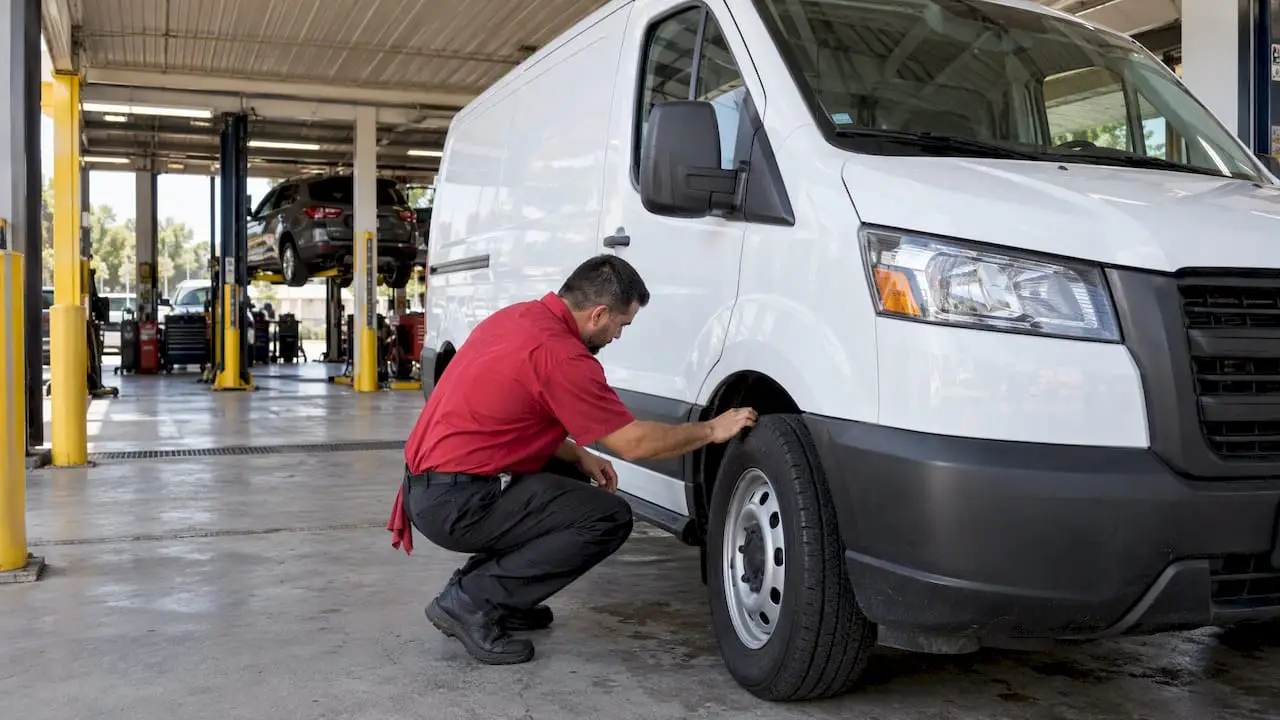
If you manage commercial vehicles in Van Alstyne, the right move is to book service with a fleet-capable local shop that uses ASE-certified technicians and documents every inspection. We handle fleet maintenance and heavy-duty repair with digital vehicle inspections, a warranty, and the records you need for compliance. Call us at (903) 712-5945 or visit our fleet services page to get started.
TL;DR:
- FMCSA rules require carriers to maintain a regular, fleet specific inspection and repair program, retain records, and complete an annual inspection covering Appendix A components.
- A qualified commercial garage can perform annual inspections as your agent, but confirm it checks every Appendix A item and provides written records for audits.
- Schedule driver checks daily, tire and fluid spot checks weekly, brake inspections monthly, and transmission service by mileage or engine hours.
- Tier maintenance frequency by vehicle use: a delivery van running six days a week needs tighter intervals than an infrequently used backup vehicle.
- Before booking, ask to see a sample digital inspection report and confirm the shop’s technicians hold ASE certification and its written warranty covers repairs.
Table of Contents
- What Fleet Maintenance Covers
- FMCSA Rules Fleets Must Follow
- How to Choose a Local Fleet Maintenance Partner
- Building a Fleet Maintenance Schedule That Prevents Breakdowns
- Our Fleet Services and What Backs Them
- Why This Matters for Van Alstyne-Area Fleets
- Ready to Set Up Fleet Service? Here’s How
- FAQ
- Sources
What Fleet Maintenance Covers
Fleet maintenance means keeping every vehicle in your lineup running reliably, not just fixing problems as they come up. A good fleet partner handles the full range of mechanical needs so you aren’t juggling multiple vendors for different vehicle types.
Core services fleets typically need to include:
- Engine diagnostics to catch problems before they cause a breakdown
- Oil changes and fluid services on a schedule that matches each vehicle’s duty cycle
- Brake inspections and repairs, since commercial vehicles see heavier wear
- Transmission service for vehicles that haul, tow, or idle frequently
- Cooling system checks to prevent overheating during long routes
- Tire rotation, replacement, and wheel alignment
- Electrical system diagnostics and starter repairs
- AC service to keep drivers comfortable and alert
- Texas State Inspections and DOT-related inspections
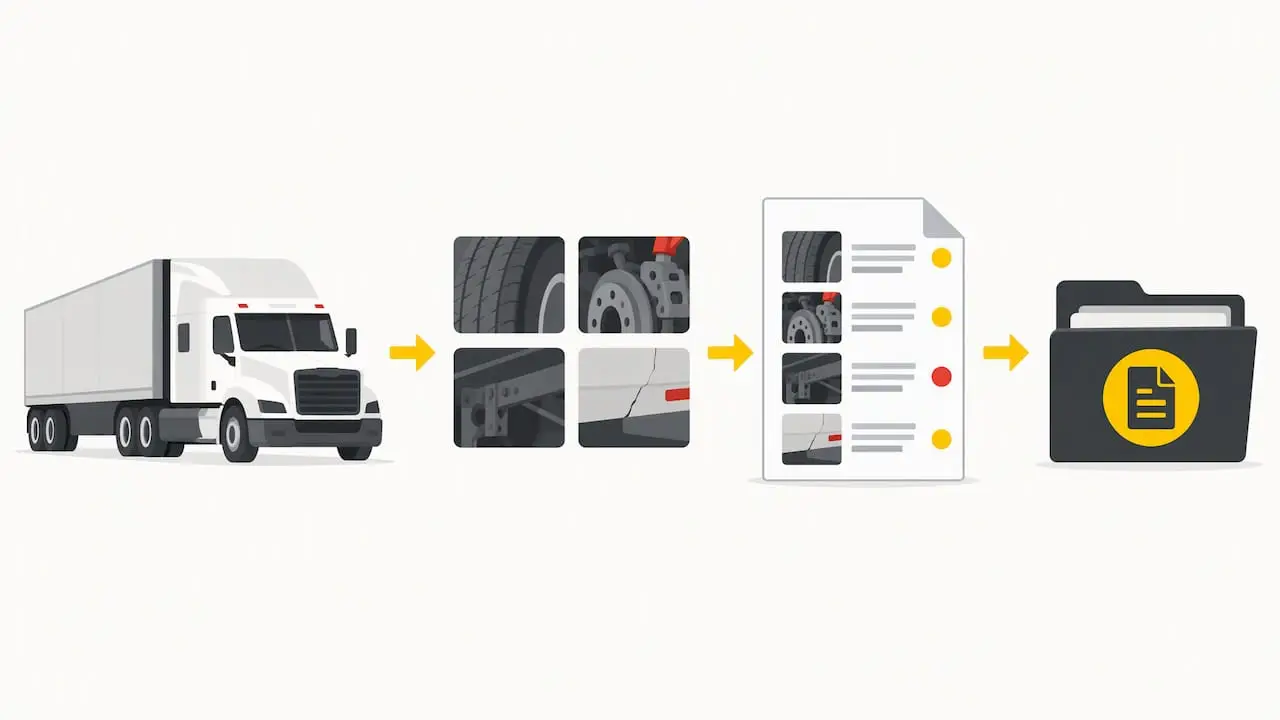
Fleet work also looks different from single-vehicle service. A shop built for fleets can schedule multiple vehicles at once, prioritize bays for vehicles that need to get back on the road fast, and offer after-hours drop-off so your trucks aren’t sitting idle during business hours. Documentation matters just as much as the repair itself: digital vehicle inspections with photos and service logs give you a paper trail that holds up if a DOT auditor asks questions later.
FMCSA Rules Fleets Must Follow
Commercial fleets aren’t just subject to good practice, they’re subject to federal law. The Federal Motor Carrier Safety Administration requires motor carriers to maintain a systematic inspection, repair, and maintenance program for every vehicle under their control, and carriers are responsible for setting their own service intervals and keeping records.
Three obligations stand out for fleet managers:
- Maintain an ongoing inspection and repair program under §396.3, not just reactive fixes.
- Pass an annual periodic inspection under 49 CFR §396.17, which covers a defined list of components under Appendix A.
- Keep inspection documentation on file, and in some cases on the vehicle, so it’s available on demand.
A carrier can perform its own annual inspections with qualified staff, or use a commercial garage as its agent. That flexibility is useful, but it puts the burden on you to confirm the shop you choose actually covers every Appendix A item and hands you a written record you can produce during an audit, not just a verbal “it’s good to go.”
FMCSA guidance clarifies that “systematic” means a regular, fleet-specific preventive schedule, not an ad hoc response to breakdowns. That distinction is worth remembering when you’re setting up or auditing your own program.
How to Choose a Local Fleet Maintenance Partner
Picking a shop for your fleet is a bigger decision than picking one for your own car. Downtime costs you revenue, and a bad inspection record can cost you more than that during a compliance review.
Look for these signals before you commit:
- ASE-certified technicians on staff, not just at the front desk
- Documented experience with fleet or commercial vehicles, not only passenger cars
- A written warranty on parts and labor
- Digital vehicle inspections with photos, so you see exactly what was found
- Fast turnaround times and enough bay capacity to handle more than one vehicle at a time
- Clear invoicing that separates parts, labor, and diagnostic time
When you call a shop for the first time, ask direct questions: What does your inspection cover? How do you deliver records, PDF, portal, or printed copy? What happens if a vehicle breaks down after hours? How do you bill fleet accounts, and can you set up recurring service?
Pro Tip: Ask to see a sample digital inspection report before your first scheduled visit, so you know exactly what documentation will look like when you need it for an audit.
Building a Fleet Maintenance Schedule That Prevents Breakdowns
A preventive maintenance program works because it’s planned, not improvised. FMCSA guidance describes a systematic program as one built around a scheduled, prevention-focused routine rather than fixing things only after they fail, and that approach is what keeps vehicles out of the breakdown lane.
A workable cadence looks something like this:
- Daily: Driver pre-trip checks covering tires, lights, fluid leaks, and brakes.
- Weekly: Spot checks on tire pressure, tread, and fluid levels.
- Monthly: Brake inspections, especially for vehicles in stop-and-go routes.
- Periodic: Transmission and fluid service based on mileage or engine hours.
- Annually: The required periodic inspection covering all Appendix A components.
Tier your vehicles by how critical they are to daily operations and how many miles they rack up. A delivery van running six days a week needs tighter inspection intervals than a backup vehicle that sits most of the month. Planned maintenance on this kind of schedule cuts down on emergency towing calls, unplanned out-of-service days, and the higher repair bills that come with deferred problems.
Our Fleet Services and What Backs Them
We built our fleet program around the same standards we apply to every vehicle that comes through our bays. Our fleet services cover diagnostics, factory-scheduled maintenance, transmission work, brakes, cooling systems, and more, all under one roof so you’re not coordinating between multiple shops.
Here’s what you can expect when you bring your fleet to us:
- Technicians handle every repair and inspection
- Digital vehicle inspections with updates and photos, so you know what was found and why
- After-hours drop-off options and local rides to minimize disruption to your drivers
- A warranty on repairs
- A waiting area if you need to stay on site
Setting up recurring service is straightforward: call us, tell us how many vehicles you’re bringing in and your preferred scheduling window, and we’ll set up a fleet account. From there, you get documentation for every visit, which makes future audits and budgeting easier.
Why This Matters for Van Alstyne-Area Fleets
Operators in Van Alstyne, Anna, Howe, Melissa, and Gunter deal with the same pressure every fleet manager knows: a truck out of service is money not earned. Working with a shop close to your routes means shorter trips for drop-off, faster turnaround, and less time a vehicle spends away from the job. After-hours drop-off and shuttle service aren’t just conveniences, they’re what let you keep vehicles moving without rearranging your whole day around a repair appointment.
— Kwik Kar
Ready to Set Up Fleet Service? Here’s How
Setting up fleet maintenance with us starts with a phone call. Reach us at (903) 712-5945, or request an appointment directly through our appointments page.
Before you call, have a few things ready: vehicle identification numbers, current mileage on each vehicle, your DOT number if applicable, and your preferred service windows for drop-off. We’ll walk through your fleet’s needs, set up an account for recurring scheduling, and make sure you get digital inspection records for every visit going forward. If you need a specific service first, our diagnostics and transmission service pages have more detail on what each visit involves.
FAQ
How often does a commercial fleet vehicle need inspection?
Commercial vehicles need at least one periodic inspection per year covering the components listed in Appendix A under 49 CFR §396.17. Beyond that annual requirement, your own preventive schedule, covering oil, brakes, and tires more frequently, is what actually prevents breakdowns between those annual checks.
What records do I need to keep for DOT compliance?
FMCSA requires carriers to maintain a systematic inspection, repair, and maintenance program and to retain documentation of that work. A digital vehicle inspection report with photos and dated service history is one of the clearest ways to satisfy this during an audit.
Can a repair shop perform my fleet’s required annual inspection?
Yes, a carrier can use a qualified commercial garage as its agent for the annual inspection instead of performing it in-house, as long as the inspection covers all required items and the documentation is retained. Confirm with your shop that their inspection matches the Appendix A checklist before your first scheduled visit.
What should I look for in a fleet maintenance shop?
Look for ASE-certified technicians, documented warranties, digital vehicle inspections, and clear invoicing. A shop offering after-hours drop-off and fast turnaround times also helps reduce the downtime that comes with taking vehicles off the road for service.
Does Kwik Kar of Van Alstyne offer a warranty on fleet repairs?
Yes, repairs come with a warranty, and every job includes a digital vehicle inspection with photos so you have documentation of the work performed.