




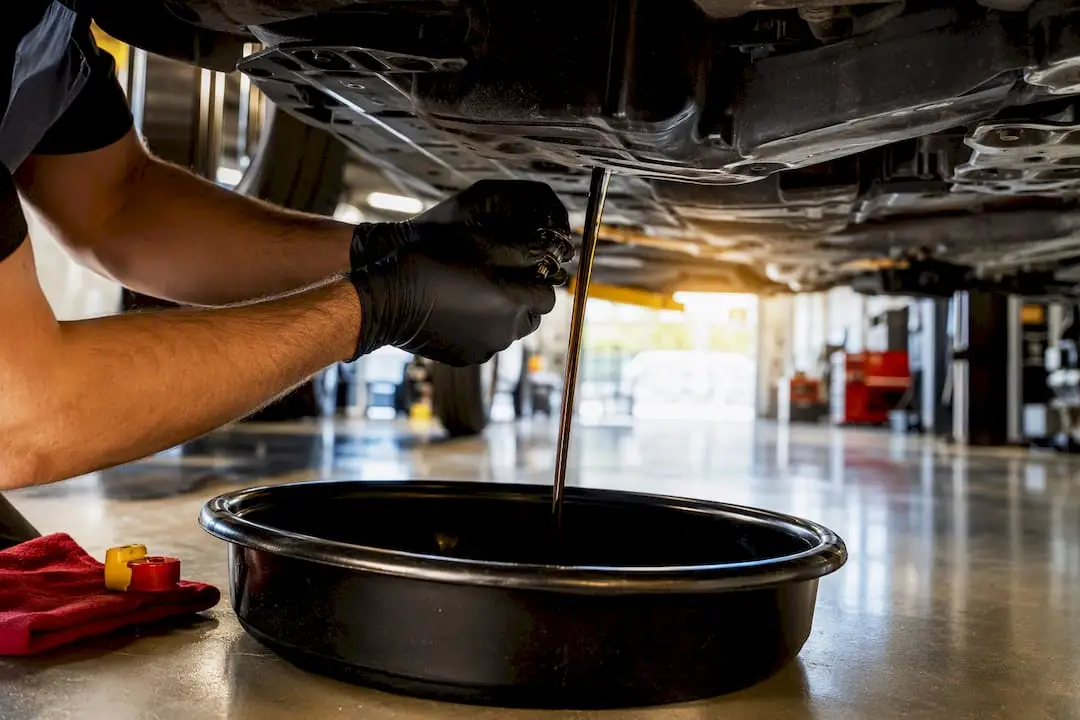
For most modern cars, the safe oil change window is 5,000 to 7,500 miles or about every six months, whichever comes first. If you tow, idle a lot, or drive a turbo or diesel, cut that back to 3,000 to 4,000 miles. Your owner’s manual and your car’s oil-life monitor override any general rule, so check those first.
TL;DR:
- Short trips under four miles, towing, dusty roads, or extreme weather require oil changes every 3,000 to 4,000 miles, even if the monitor suggests longer intervals.
- Using full synthetic oil and maintaining proper oil specifications can extend oil change intervals up to 7,500 to 10,000 miles under normal conditions, but severe driving patterns shorten this window.
- Warning signs like milky or gritty oil, metal flakes, or dashboard pressure lights indicate immediate need for inspection or oil change, not just regular maintenance.
- Delaying oil changes beyond the recommended interval gradually causes engine wear, sludge buildup, and potential turbo or timing component failures, especially in turbocharged engines.
- Regular manual checks of oil color, level, and consistency help identify early issues, but trusting the oil-life monitor requires awareness of driving conditions that may mislead its estimate.
Table of Contents
- What Are the Right Oil Change Intervals for Your Car?
- How Do Driving Conditions Change Your Oil Change Schedule?
- Does Synthetic Oil Really Let You Wait Longer?
- What Signs Mean You Need an Oil Change Right Now?
- What Happens if You Delay an Oil Change Too Long?
- How Do You Check and Reset Your Oil Life Monitor?
- How Kwik Kar of Van Alstyne Approaches Every Oil Change
- Book Your Next Oil Change With Kwik Kar of Van Alstyne
- Where This Guidance Comes From
- Sources
- FAQ
What Are the Right Oil Change Intervals for Your Car?
Every recommendation below assumes normal wear and no dashboard warnings telling you otherwise. Think of these as starting points, not laws carved in stone.
- Severe service: shorter intervals, typically around a few thousand miles or a few months, apply to short trips under 4 miles, heavy towing, dusty roads, or stop-and-go traffic.
- Typical daily driving: moderate intervals, commonly several thousand miles or about half a year, for most commuters who mix highway and local streets without extreme conditions.
- Long OEM-approved intervals: Some manufacturers allow longer intervals when using full synthetic oils and when the car’s oil-life monitor indicates oil condition is good. That number only holds up if you’re using the exact oil spec your manufacturer requires and driving under mostly normal conditions.
- Turbo and diesel engines: It is generally advisable to follow shorter oil change intervals to maintain engine health, regardless of dashboard indications. Turbochargers spin at extreme speeds and depend entirely on fresh, clean oil for cooling and lubrication.
Manufacturer oil-life systems often show a spread that backs this up. Ford’s owner’s manual guidance, for example, lists normal intervals around 7,500 to 10,000 miles, severe use closer to 5,000 to 7,500 miles, and extreme conditions as low as 2,500 to 5,000 miles. That’s not one universal number. It’s a sliding scale based on how you actually drive.
Older advice about changing oil every 3,000 miles no matter what has mostly faded. Modern oils and tighter engine tolerances have pushed intervals longer for many vehicles, but that doesn’t mean everyone gets to use the longest number on the chart. For economical maintenance advice, see our tips on грижи за колата с малко разходи.
How Do Driving Conditions Change Your Oil Change Schedule?
“Severe” and “normal” driving sound like vague labels until you break them down into what’s actually happening inside your engine.
Short trips under 4 miles never let your engine reach full operating temperature, so moisture and fuel byproducts build up in the oil instead of burning off. Heavy idling, stop-and-go commuting, towing a trailer, driving on dusty gravel roads, and extreme heat or cold all count as severe conditions. Each one accelerates the breakdown of oil additives, and each one thickens the sludge and soot that clean oil is supposed to wash away.
Here’s a simple way to figure out where you land:
- Count how many of your regular trips are under 4 miles. If it’s most of them, you’re in severe territory.
- Check whether you tow, haul heavy loads, or drive on unpaved roads regularly. If yes, shorten your interval.
- Think about your climate. Van Alstyne summers push engines hard, and extreme heat degrades oil faster than moderate weather does.
- If none of the above applies and most of your driving is steady highway miles, you’re likely in the normal category.
Additive depletion is the quiet part of this equation. Oil doesn’t just lubricate. It carries detergents and dispersants that keep contaminants suspended instead of settling into sludge. Once those additives wear out, protection drops fast even if the oil still looks fine on the dipstick.
Pro Tip: Keep a mental note of your last five trips. If three or more were quick errands under 4 miles, treat your car as a severe-use vehicle even if your dashboard hasn’t flagged it yet.
Does Synthetic Oil Really Let You Wait Longer?
Full synthetic oil holds up better under heat and stress than conventional oil, which is why many manufacturers pair it with longer intervals. It resists breakdown at high temperatures and maintains viscosity longer, giving you more genuine mileage before it loses protective ability. “OEM-approved” means the oil meets the exact viscosity and performance spec your manufacturer tested the engine with, not just any bottle labeled synthetic on the shelf.
Oil-life monitors track this by estimating remaining oil quality using factors like engine temperature, RPM, trip length, and total mileage since the last change. It’s a smart estimate, not a lab test.
That estimate falls apart under a few conditions:
- The wrong oil spec was used at the last service.
- The engine has been running low on oil for an extended stretch.
- Most trips are short, stop-and-go drives that the system may not weight heavily enough.
- The car regularly tows or hauls in ways the monitor wasn’t designed to flag.
Pennzoil’s own guidance recommends following your manufacturer’s schedule, but suggests changing oil roughly 15% earlier than the listed interval if you’re driving in severe conditions or planning to keep the car long term. If your oil-life monitor says you have another 3,000 miles left but you know you’ve been idling in traffic every day this summer, trust your own judgment over the estimate.
What Signs Mean You Need an Oil Change Right Now?
Dashboard lights aren’t all created equal, and knowing the difference matters.
- Oil-life reminder: A routine notice based on the monitor’s calculation. Schedule service soon, but it’s not an emergency.
- Oil pressure warning light: This means oil isn’t circulating properly. Pull over safely and stop driving until it’s checked.
- Check engine light: Could relate to oil, could relate to something else entirely. Have it scanned rather than guessing.
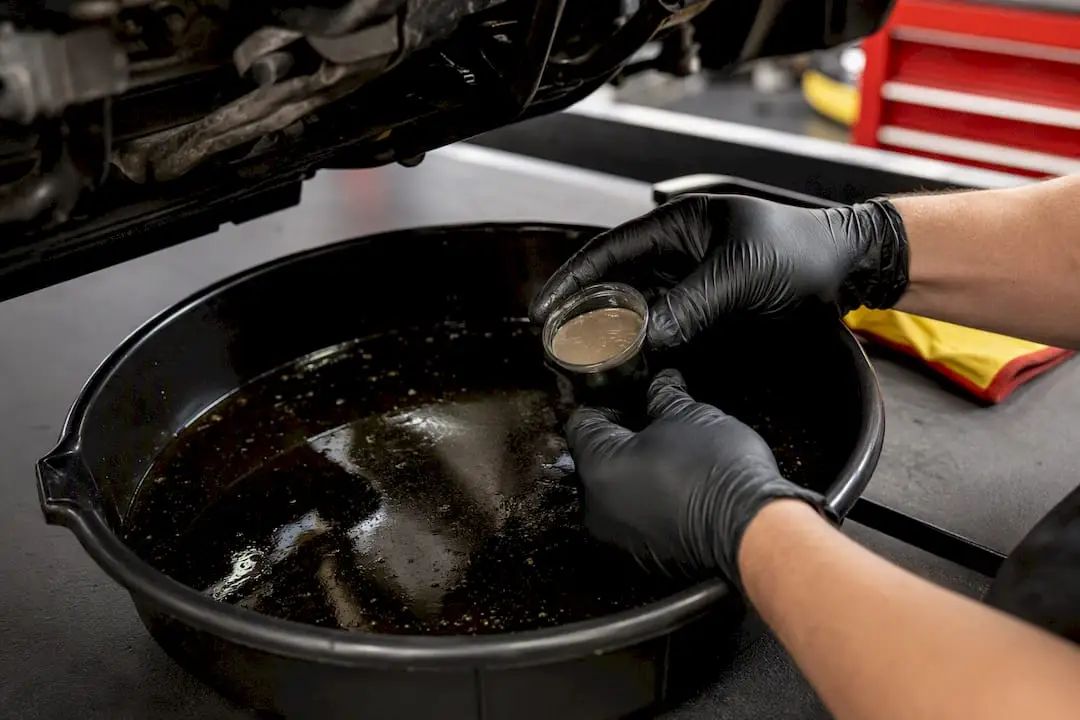
Beyond the dashboard, pull the dipstick when the engine’s cool and check what you see. Healthy oil is amber to dark brown and flows smoothly off the stick. Milky or foamy oil suggests coolant has mixed in, which points to a bigger mechanical issue. Metal flecks or glitter in the oil mean internal wear is happening, and that’s a same-day concern, not a next-week one.
If your car is simply due based on mileage, book a routine appointment. If you see a pressure light, milky oil, or metal particles, stop driving and get it looked at immediately.
What Happens if You Delay an Oil Change Too Long?
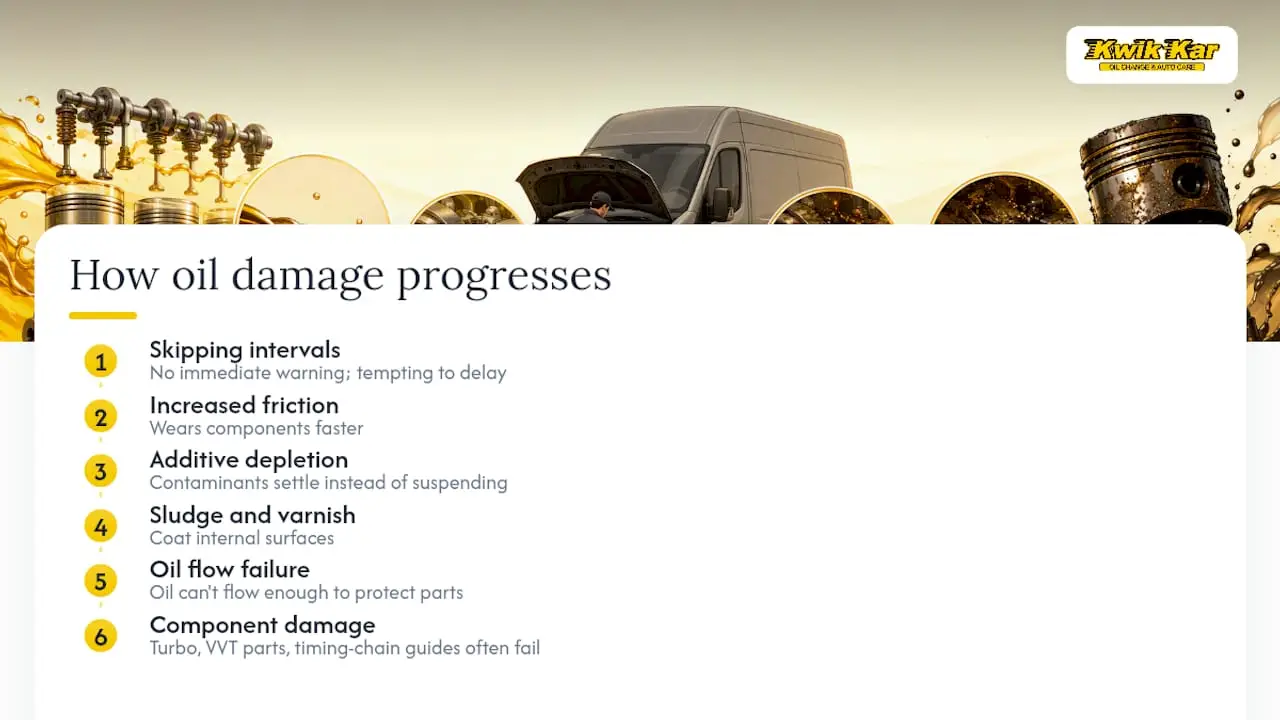
Skipping intervals doesn’t cause immediate damage, which is exactly why it’s tempting to push it. The damage builds in stages instead. Increased friction wears components faster, additive depletion lets contaminants settle instead of staying suspended, sludge and varnish start coating internal surfaces, and eventually the oil can’t flow well enough to protect moving parts. Oil starvation at that point leads to real component damage, sometimes catastrophic.
Turbocharged engines are especially exposed here. Turbo bearings spin at extremely high speeds and rely completely on clean oil for both lubrication and cooling. Degraded oil can cause rapid turbo failure long before you’d expect trouble in a naturally aspirated engine. Variable valve timing components and timing chain guides are other common casualties of long-term neglect.
Mechanics often point out that engine wear from old oil accumulates silently. There’s rarely a warning rattle or smell before the damage is already done. By the time you notice something’s wrong, the oil has usually been failing for a while.
Documented, on-time maintenance also protects your resale value and keeps warranty claims from getting complicated if something does go wrong later.
How Do You Check and Reset Your Oil Life Monitor?
Between visits, a quick check takes less than five minutes and tells you a lot.
- Park on level ground and let the engine sit for a few minutes if it was just running, then pull the dipstick, wipe it clean, reinsert fully, and pull it again to read the level.
- Look at color and texture. Amber to brown is normal; gray, milky, or gritty oil means it’s time to get the car looked at, not just topped off.
- If a technician mentions metal flakes in drained oil during service, ask what they found and where it might be coming from.
- To reset most oil-life monitors, you’ll typically use the vehicle’s information menu or a key-cycle sequence, but the steps vary by make and model, so always confirm with your owner’s manual.
- If you see a consistently low level between changes, milky oil, or metal particles, schedule an inspection instead of waiting for the next routine service.
How Kwik Kar of Van Alstyne Approaches Every Oil Change
Our ASE-certified technicians follow the oil spec and interval your manufacturer actually calls for, not a generic shop default. Every service comes with a Digital Vehicle Inspection, so you get real photos of what we found under the hood instead of just taking our word for it. If your driving looks more severe than typical, we’ll say so and explain why, rather than pushing you toward the longest interval just to get you back sooner.
We built in conveniences for drivers who don’t have time to wait around: after-hours drop-off, free local rides, and a 2-year/24,000-mile warranty on repairs. If you’re ever unsure whether your car needs service now or can wait, check your spark plugs and related wear signs alongside your oil, and give us a call before guessing.
— Kwik Kar
Book Your Next Oil Change With Kwik Kar of Van Alstyne
Kwik Kar of Van Alstyne is the practical choice for drivers in Van Alstyne, Anna, Howe, Melissa, and Gunter who want their oil change done right the first time, with proof of what was actually checked. A standard visit includes fresh oil and a filter matched to your manufacturer’s spec, a full inspection, and Digital Vehicle Inspection photos so you can see exactly what your car needs before you approve any work.

Every job is handled by ASE-certified technicians, and if your oil looked off during the drain, we’ll walk you through what we saw and why it matters for your specific engine. Between the comfortable waiting area, free local rides, and after-hours drop-off, fitting a routine oil change into a busy week doesn’t have to be complicated.
Ready to get on the schedule? Visit our auto repair services page to see everything we cover, or call us at (903) 712-5945 to book your appointment today.
Where This Guidance Comes From
For readers who want to dig deeper, the Filter Manufacturers Council bulletin breaks down severe versus normal service definitions. Consumer Reports offers a consumer-focused overview of modern intervals, and Mobil’s car care calendar lists general maintenance timing across common vehicle types.
Sources
- Automotive oil change intervals: severe vs normal driving (Filter Manufacturers Council/Auto Care Association)
- Things to know about oil changes for your car — Consumer Reports
- Skip and oil change guidance — Pennzoil
- Owner manual oil life examples and maintenance intervals — Ford service content
- Turbocharger problems and sensitivity to oil condition — Turbodynamics
FAQ
How Often Do You Realistically Need an Oil Change?
Most daily drivers need one every 5,000 to 7,500 miles or about every six months, while severe driving conditions like towing or frequent short trips call for 3,000 to 4,000 miles instead.
Is $100 Normal for an Oil Change?
Pricing depends on your vehicle, oil type, and local shop rates, so it’s best to confirm current pricing directly with a shop like Kwik Kar of Van Alstyne rather than assume a flat number applies everywhere.
Is 2 Months Too Soon for an Oil Change?
For most drivers, yes. Unless you’re deep into severe-use conditions like constant towing or extreme short-trip driving, most cars comfortably go about six months between changes, and your oil-life monitor will flag it earlier if something’s off.
How Late Can You Push an Oil Change?
Pushing past your recommended interval risks additive depletion and sludge buildup, and the longer you wait beyond what your owner’s manual or oil-life monitor recommends, the higher your risk of expensive engine damage climbs.