




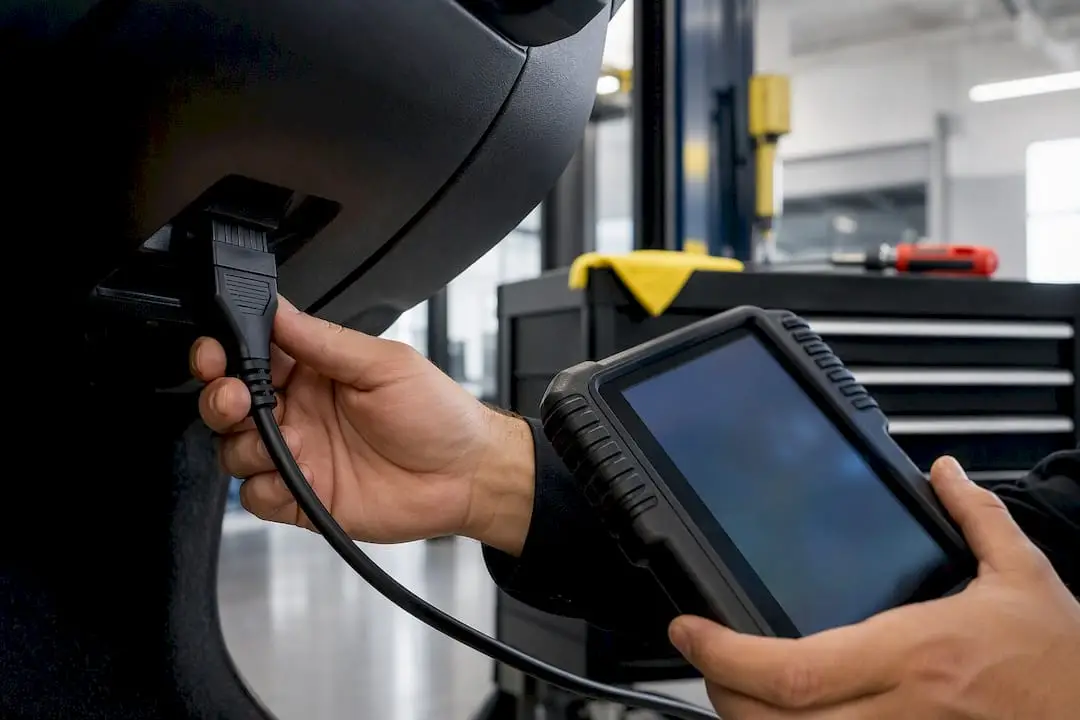
P0300 means your engine’s computer detected random or multiple cylinder misfires, and it’s asking for help finding the cause. If your check engine light is flashing, pull over when it’s safe and stop driving until the car is checked out. If the light is steady, you can drive carefully to get a scan, but don’t wait long: an engine that misfires can hurt more than your gas mileage.
TL;DR:
- Worn spark plugs, ignition coils, or cracked wires are the most common causes of a random misfire indicated by P0300, and should be checked first.
- Mechanical issues like low compression or a blown head gasket are less frequent but significantly more expensive to repair if the root cause is not identified early.
- Visual inspections, part swaps, and fuel pressure tests help narrow down the cause effectively, especially when following a step-by-step diagnostic process.
- Driving with a steady check engine light is generally safe but should be done cautiously, while a flashing light requires immediate stopping to avoid catalytic converter damage.
- Accurate diagnosis before replacing parts can save money, prevent unnecessary repairs, and protect vital engine emissions components.
Table of Contents
- Symptoms that come with a P0300 code
- What usually causes a random misfire
- A step-by-step way to track down the problem
- Repair options and what affects the cost
- When your engine’s misfire becomes a safety issue
- Simple habits that lower your misfire risk
- When it’s time to see a professional
- Why diagnosing first beats guessing every time
- Get your misfire diagnosed the right way
- Sources
- FAQ
Symptoms that come with a P0300 code
A misfiring engine rarely stays quiet about it. At idle, you might feel the car shake or hear an uneven, lumpy rhythm coming from under the hood. Under load, like accelerating onto a highway, you may notice hesitation, a sudden loss of power, or a jerky feeling as the engine struggles to keep cylinders firing evenly.
- Rough or shaky idle, especially at stoplights
- Hesitation or stumbling when you press the gas
- Noticeably worse fuel economy than usual
- A Check Engine light that’s on steady, or flashing
A flashing Check Engine light means something different than a steady one. According to KBB’s diagnostic trouble code guide, a flashing light during operation signals a severe, active misfire, and that’s urgent because unburned fuel can overheat and damage your catalytic converter.
What usually causes a random misfire
Your engine’s computer, the PCM, tracks tiny changes in crankshaft speed to figure out when a cylinder isn’t firing right. When it can’t pin the problem to one specific cylinder, you get P0300 instead of a numbered code like P0301. The causes tend to fall into a few buckets, and starting with the cheapest, most common ones first saves time and money.
- Worn spark plugs, failing ignition coils, or cracked plug wires and boots
- Fuel delivery trouble, including a weak fuel pump or a clogged injector
- Vacuum leaks that let unmeasured air into the engine
- Sensor faults, like a failing crankshaft or camshaft position sensor, or a dirty mass airflow sensor
- Mechanical issues such as low compression or a leaking head gasket
Ignition parts are the most frequent culprit, which is why worn spark plugs are usually the first thing worth checking. Mechanical causes are less common but far more expensive, so it pays to rule out the simple stuff before assuming the worst.
A step-by-step way to track down the problem
Chasing parts before you test anything is the fastest way to spend money without fixing your car. A methodical check, working from cheap and easy to complex and costly, gets you answers faster and protects your wallet.
- Scan the code and save any freeze-frame data, and note whether you also see a cylinder-specific code like P0301 through P0308 alongside P0300.
- If your scan tool supports it, check live data for misfire counters or crankshaft speed variation to see which cylinder is struggling.
- Visually inspect spark plugs, coils, wires, and boots for cracks, carbon buildup, or corrosion, and check vacuum lines for cracks or loose fittings.
- If you’re comfortable working under the hood, swap a coil or plug between a suspect cylinder and a healthy one to see if the misfire follows the part.
- Listen for the fuel pump running and, if you have the tools, test fuel pressure against your vehicle’s specification.
- If ignition and fuel checks come back clean, a compression or leakdown test can reveal mechanical trouble like low compression or a head gasket leak.
- Stop and call a shop if tests are inconclusive, compression is low, or the misfire is intermittent and won’t reproduce on demand.
Pro Tip: Write down every test result as you go. Even a quick note like “coil swap, no change” saves a technician diagnostic time and often lowers your bill.
Repair options and what affects the cost
Once you know what’s causing the misfire, repairs range from simple to involved. Spark plugs and ignition coils are usually straightforward jobs. Fuel injectors, a fuel pump, or a head gasket repair take more labor and more parts, and timing-related fixes can be involved depending on the engine.
- Ignition repairs (plugs, coils, wires) are typically the least expensive fix
- Fuel system repairs (injectors, pump) cost more due to added labor and part expense
- Mechanical repairs (head gasket, timing components) take the most labor time and cost the most
What you actually pay depends on labor time, how accessible the engine components are, whether you choose OEM or aftermarket parts, and how much diagnostic work was needed to pin down the cause. Ask for a written diagnostic report before agreeing to repairs, along with photos if the shop offers digital vehicle inspections, and confirm what warranty applies to the work.
When your engine’s misfire becomes a safety issue
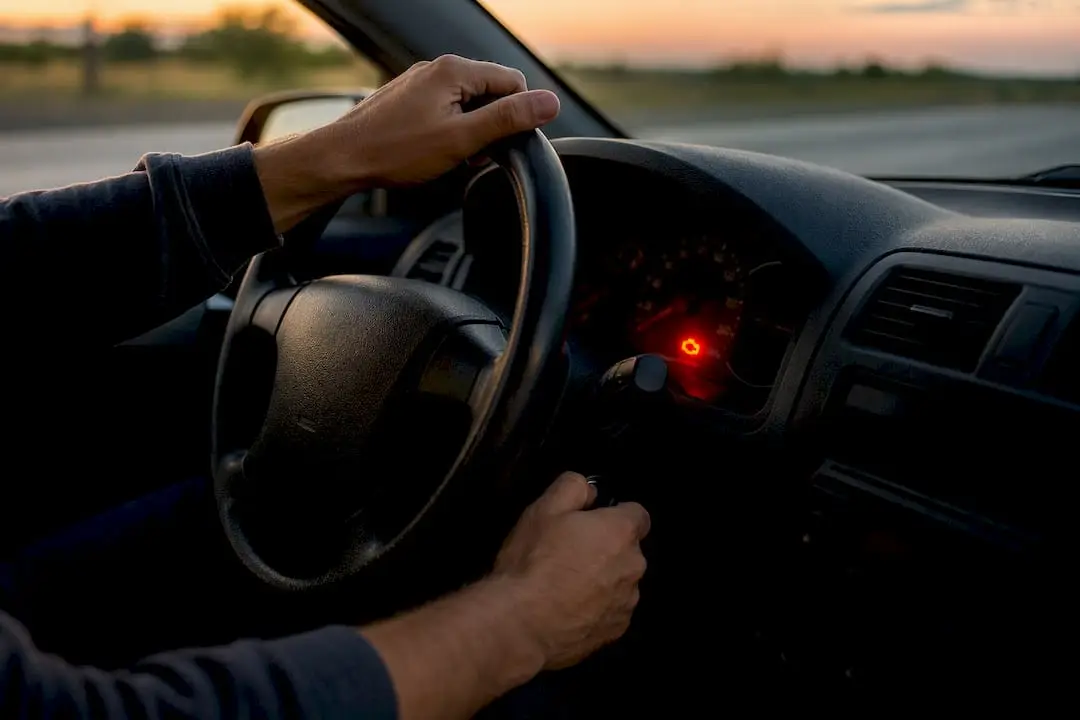
A flashing Check Engine light is your car telling you to stop soon. It means the misfire is severe enough that unburned fuel reaching the catalytic converter can cause it to overheat, and that kind of damage is expensive to fix. Extreme power loss, repeated stalling, heavy vibration, or a rising temperature gauge are all signs to pull over safely, shut the engine off, and arrange a tow or on-site diagnosis rather than pushing on.
Simple habits that lower your misfire risk
Most random misfires trace back to maintenance that got skipped. Staying ahead of a few basics keeps your ignition and fuel systems working the way they should.
- Replace spark plugs and ignition components on your manufacturer’s recommended schedule
- Keep the air intake and mass airflow sensor clean, and fix vacuum leaks as soon as you notice them
- Use quality fuel and have injectors cleaned when a shop recommends it
Pro Tip: If your car is older or has higher mileage, a periodic diagnostic check can catch a sensor or ignition part that’s starting to fail before it strands you.
When it’s time to see a professional
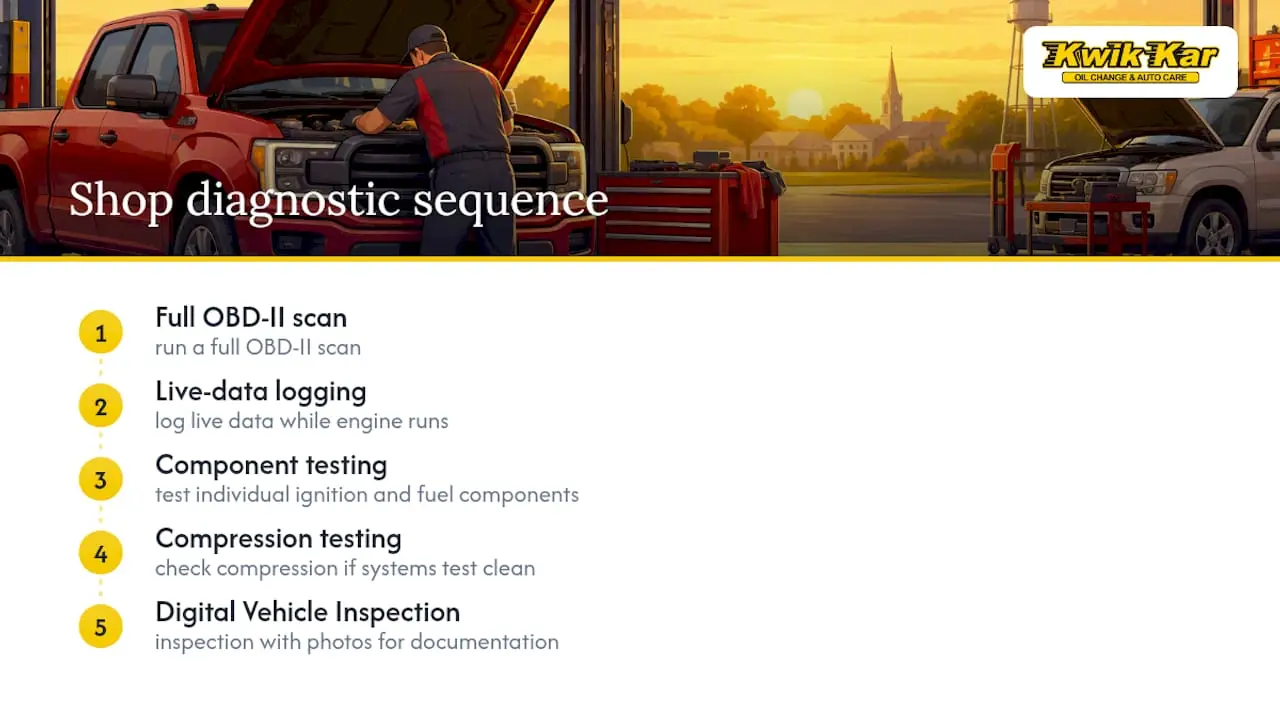
If your own checks don’t turn up an answer, or you’re not comfortable testing ignition and fuel components yourself, that’s the point to bring the car in. A shop will typically run a full OBD-II scan, log live data while the engine runs, test individual components, and check compression if the electrical and fuel systems check out clean. At a qualified shop, that diagnostic work can include a Digital Vehicle Inspection with photos, so you can see exactly what the technicians found. After-hours drop-off may be available, and repairs typically carry a warranty. Bring any notes from your own testing and ask the service advisor what specific tests they’ll run before quoting a repair.
Why diagnosing first beats guessing every time
The most expensive misfire repairs I see are the ones that started with someone replacing parts on a guess. A new set of coils won’t fix a vacuum leak, and a new fuel pump won’t fix a cracked plug boot. Testing first, even informally, tells you where to spend money instead of where you hope the problem is.
Documenting what you’ve already checked before you visit a shop speeds up the professional diagnosis and often lowers the labor bill. It also protects your catalytic converter, since a properly diagnosed misfire gets fixed before it has a chance to damage expensive emissions parts.
— Kwik Kar
Get your misfire diagnosed the right way
A random misfire code deserves a real diagnosis, not a parts-swapping guess, and that’s exactly what our diagnostics service is built for.

Our ASE-certified technicians run a full scan, document what they find with photos through our Digital Vehicle Inspection process, and walk you through the results before any work begins. Whether the fix turns out to be ignition parts, fuel system work, or something deeper in the engine, we handle it with a 2-year/24,000-mile warranty on the repair.
- Full OBD-II scan and live-data diagnosis for random or cylinder-specific misfires
- Digital Vehicle Inspection with photos so you see exactly what needs attention
- Engine and ignition repair backed by our warranty, with after-hours drop-off available
Call us at (903) 712-5945 or visit our diagnostics page to schedule a visit, and we’ll get your car running smoothly again.
Sources
The EPA’s guidance on emissions repairs covers why catalytic converter replacement should be a last resort, while KBB’s P0300 overview explains detection, symptoms, and diagnostic priority.
- P0300 Code – Random/Multiple Cylinder Misfire Detected
- Correcting Your Vehicle’s Emission Problems (EPA)
FAQ
How do I fix code P0300?
There’s no single fix since P0300 covers many possible causes, so the right approach is to scan for additional codes, inspect ignition components like plugs and coils, and test fuel delivery before assuming a part needs replacing. Once testing points to a specific system, the repair follows from there, whether that’s ignition, fuel, or a mechanical issue.
What sensors can cause a P0300?
A failing crankshaft or camshaft position sensor can trigger a misfire code because the PCM relies on crankshaft speed to detect misfires in the first place. A dirty or failing mass airflow sensor can also throw off the air-fuel mixture enough to cause misfiring.
Can I still drive my car with a P0300 code?
If the Check Engine light is steady, you can typically drive carefully to get it checked, but don’t put it off. If the light is flashing, stop driving as soon as it’s safe, since a severe misfire risks damaging the catalytic converter.
Is P0300 expensive to fix?
It depends entirely on the cause. Ignition repairs like spark plugs or coils tend to be the least expensive, while fuel system or mechanical repairs such as a head gasket cost more because they involve more labor and parts.